KE BQPS-I 2x210MW Decommissioning & Disposal Supervision
KE BQPS-I 2x210MW Decommissioning & Disposal Supervision
Project Overview
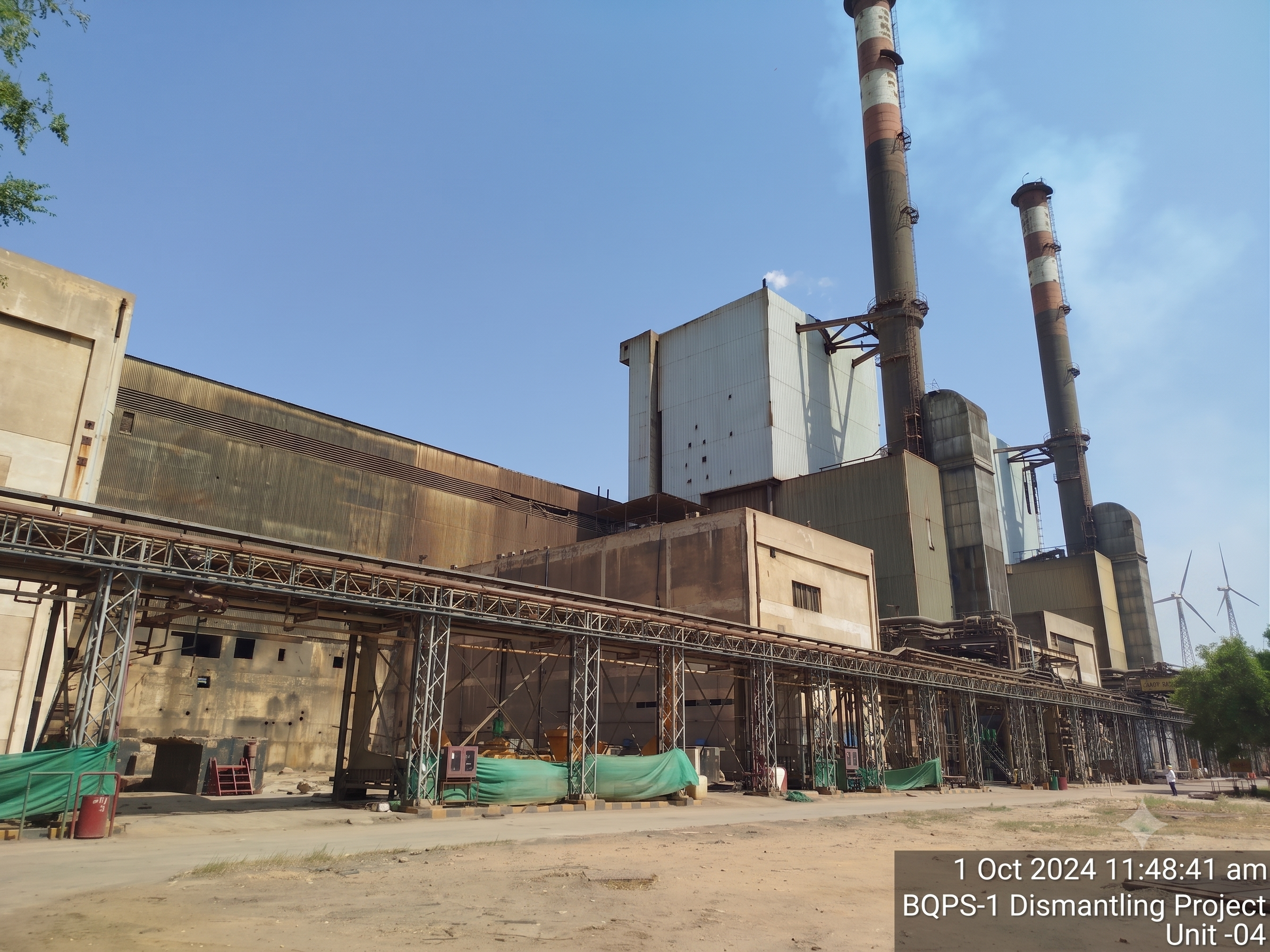
The Bin Qasim Power Station-I (BQPS-I) decommissioning project forms a key component of K-Electric’s generation fleet modernization program. Originally commissioned in 1989, Units 3 & 4 comprised two 210 MW dual-fuel subcritical steam power units operating on natural gas and heavy fuel oil (HFO). Following their decommissioning in 2020, the project was undertaken to safely dismantle and dispose of the retired generating units while facilitating the development of the 900 MW BQPS-III combined-cycle power plant.
The assignment involved the systematic dismantling and disposal of major plant systems, equipment, structures, and associated infrastructure under strict health, safety, environmental, and regulatory requirements. OMS provided Owner’s Engineering, technical advisory, feasibility review, and site supervision services to ensure that dismantling activities were executed safely, efficiently, and in accordance with approved engineering methodologies and project requirements.
Project Specifications
Decommissioned Capacity: 420 MW comprising two 210 MW thermal generating units (Units 3 & 4).
Plant Configuration: Conventional dual-fuel subcritical steam power units designed to operate on natural gas and heavy fuel oil (HFO).
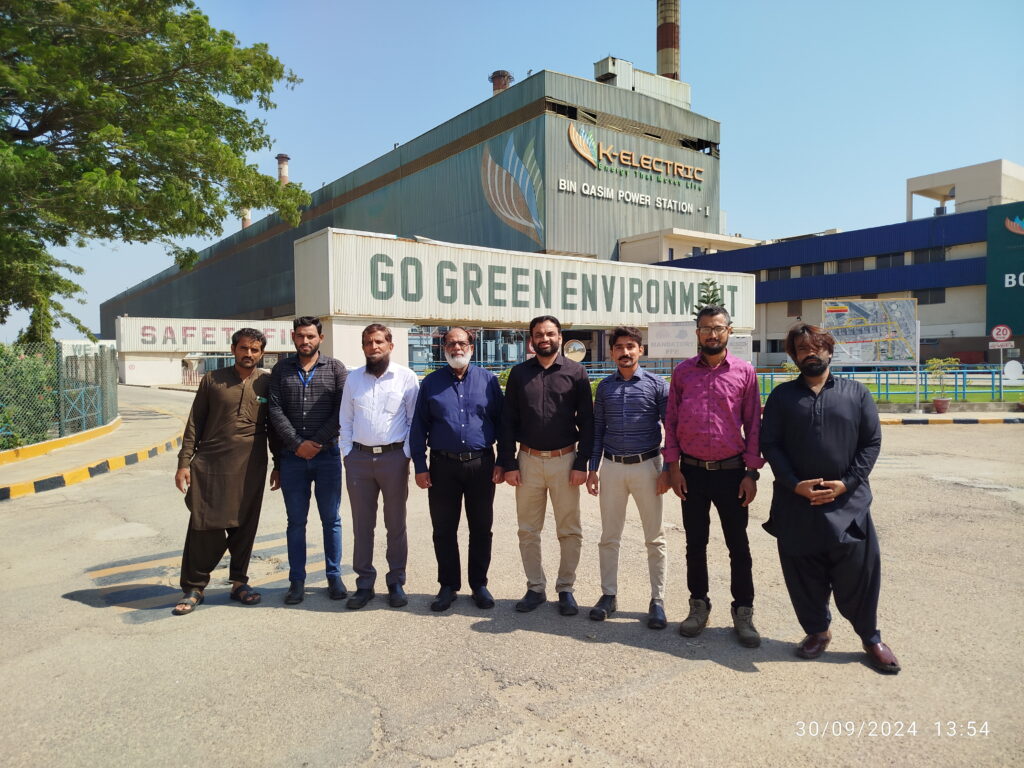
Project Location: Bin Qasim Power Station-I (BQPS-I), Port Qasim Industrial Zone, Karachi, Sindh, Pakistan.
Project Scope: Safe dismantling and disposal of power plant equipment, structures, cables, and associated facilities executed in two planned phases.
Project Delivery Requirements: Execution in compliance with health, safety, environmental, regulatory, and utility operational requirements throughout the dismantling and disposal process.
OMS Scope of Services
Owner’s Engineering & Technical Advisory
Provided Owner’s Engineering, technical advisory, feasibility review, and engineering consultancy services for the dismantling and disposal of BQPS-I Units 3 & 4.
Reviewed contractor dismantling and disposal bids, work plans, engineering methodologies, project schedules, and risk assessments to verify technical adequacy and compliance with project requirements.
Provided engineering recommendations and technical guidance throughout project execution to support safe and efficient dismantling activities.
Site Supervision, Safety & Regulatory Compliance
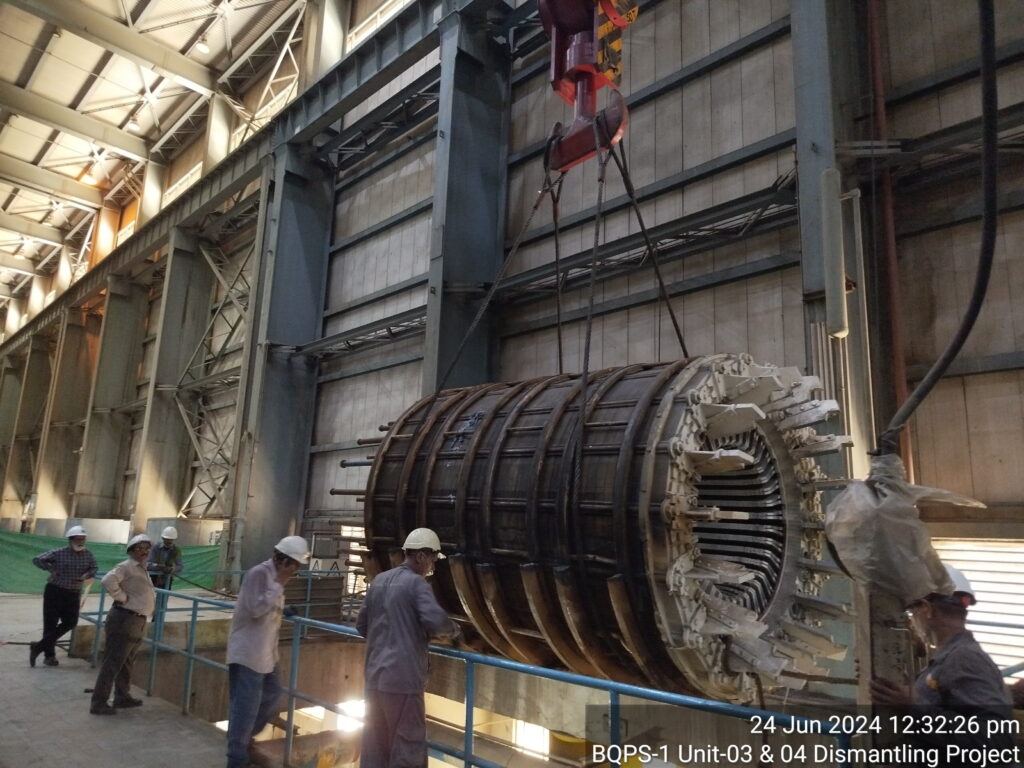
Supervised dismantling and disposal activities for the safe removal of power plant equipment, structures, materials, and associated facilities.
Monitored contractor compliance with approved work methods, health, safety, environmental (HSE), and regulatory requirements throughout the dismantling program.
Reviewed hazardous material management, waste handling, environmental protection measures, and occupational safety practices to ensure compliance with applicable standards and utility requirements.
Project Monitoring & Engineering Assurance
Monitored project progress, construction sequencing, and contractor performance during both phases of the dismantling program.
Reviewed dismantling procedures, lifting and rigging methodologies, transportation plans, work permits, and project documentation to ensure safe execution of critical dismantling activities.
Maintained engineering oversight through inspections, progress reporting, regulatory compliance monitoring, and final project documentation to support the successful completion of the disposal program.
Our Capabilities
Very few industries in modern society face the number of challenges seen in the agriculture sector. Many external forces wreak havoc on the farm business, and all are completely out of the business owner’s control.
Enhance production capacity with automated systems
Improve product consistency and precision
Reduce operational costs and material waste
Ensure safety and environmental compliance
Optimize workflow and plant efficiency
Scope of Work
Our team delivered a full-cycle industrial solution, including:
Plant Design & Engineering
Comprehensive layout planning and structural design tailored for high-volume steel production.
Equipment Integration
Installation and configuration of advanced machinery, automated systems.
Process Optimization
Implementation of smart workflows to improve efficiency and reduce downtime.
Quality Control Systems
Deployment of monitoring technologies to maintain consistent product standards.
Key Features
Very few industries in modern society face the number of challenges seen in the agriculture sector. Many external forces wreak havoc on the farm business, and all are completely out of the business owner’s control. Weather, drought, pests, and disease constantly hammer agriculture. They augment the standard risks any business faces and put significant pressure on historically thin profit margins. Add to this the current stagnation in the available workforce, which was significantly amplified by the COVID-19 pandemic, and you have a menu of challenges that seem almost impossible.
Fully automated production lines
High-precision steel processing technology
Real-time monitoring and control systems
Energy-efficient operations
Scalable infrastructure for future expansion
Results & Impact
The project successfully delivered a high-performance steel manufacturing facility that significantly improved production efficiency and output quality. The integration of advanced technologies enabled seamless operations, reduced downtime, and enhanced overall productivity.