
GH2 Agri-Biomass Manufacturing Complex Lender’s Engineering
GH2 Agri-Biomass Manufacturing Complex Lender’s Engineering
Project Overview
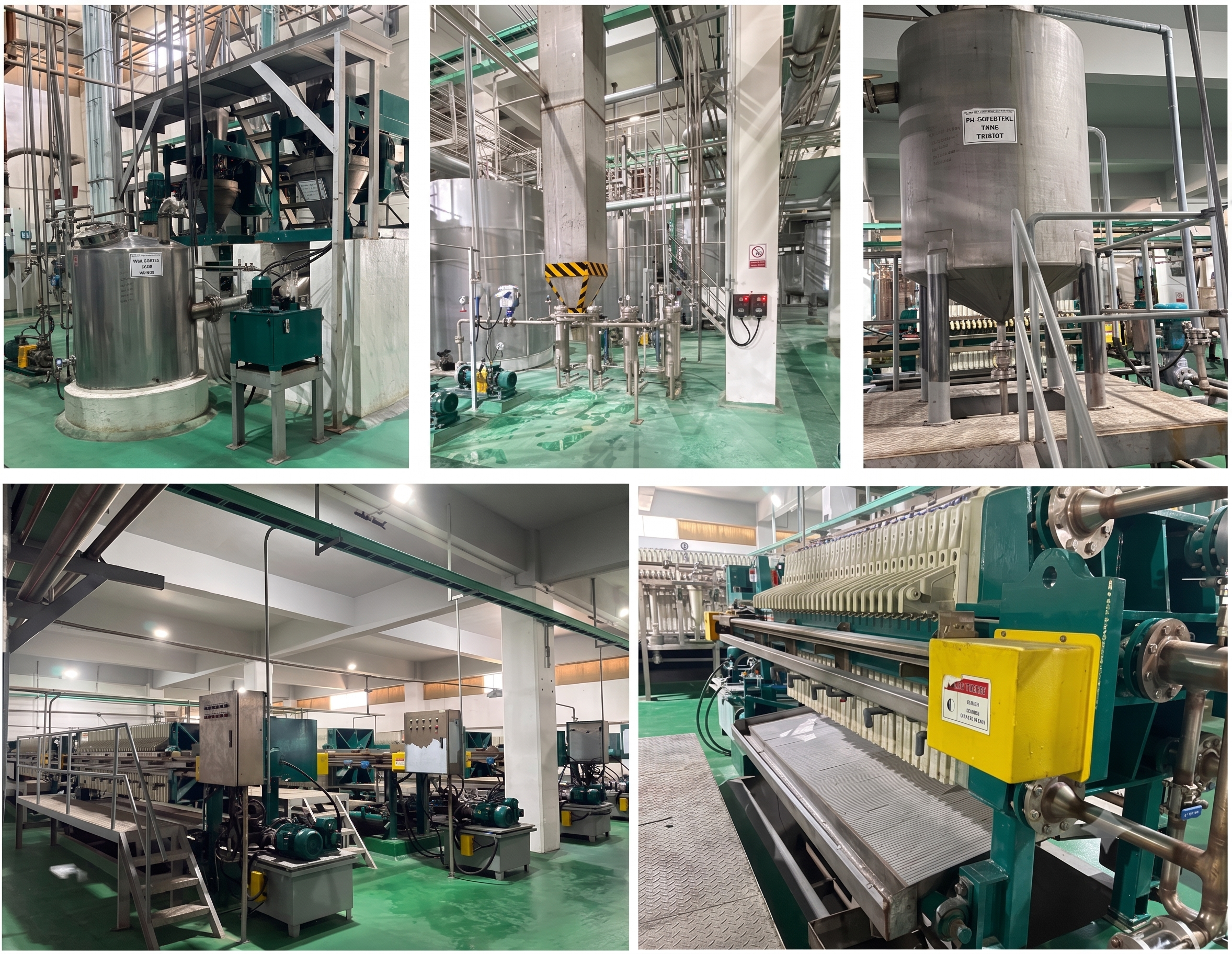
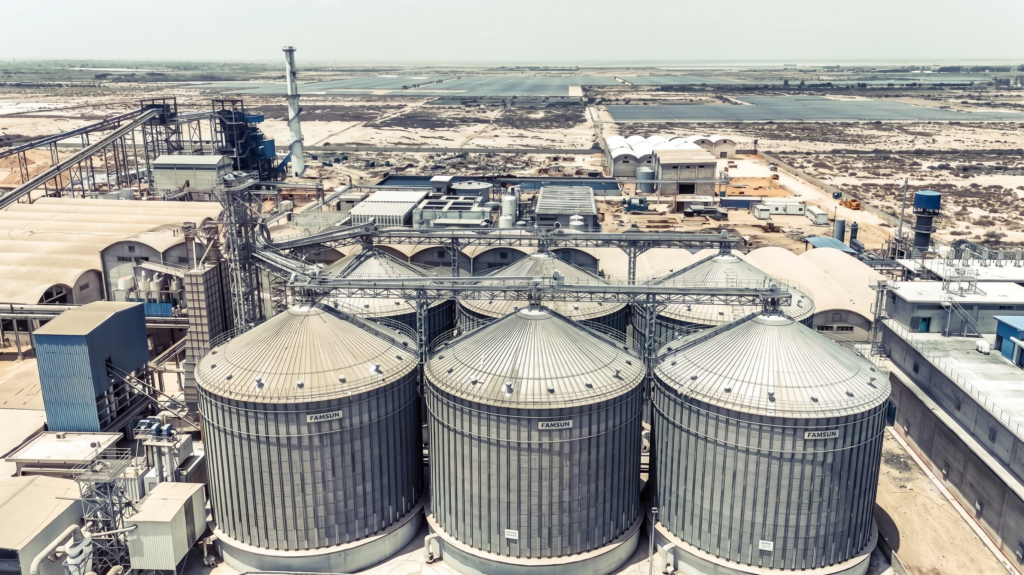
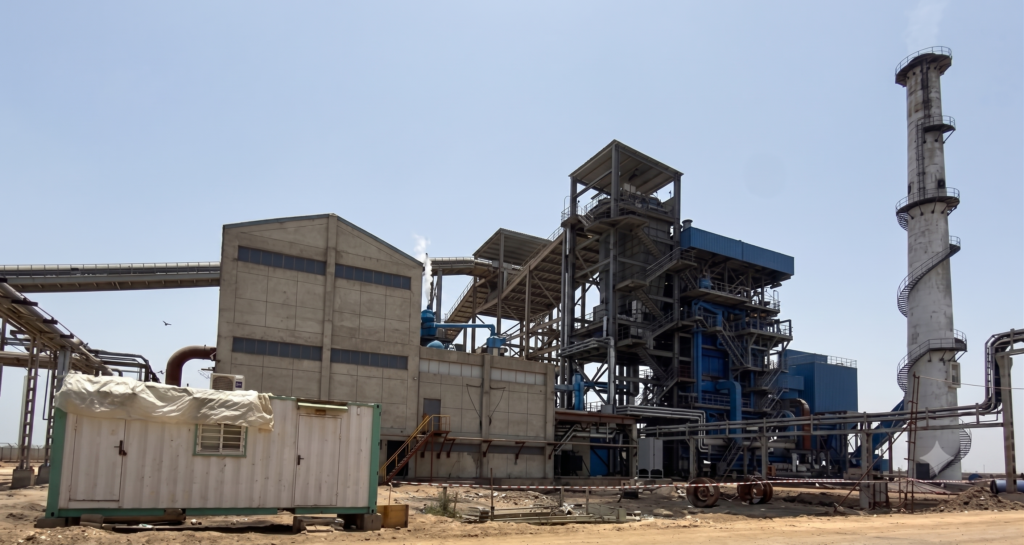
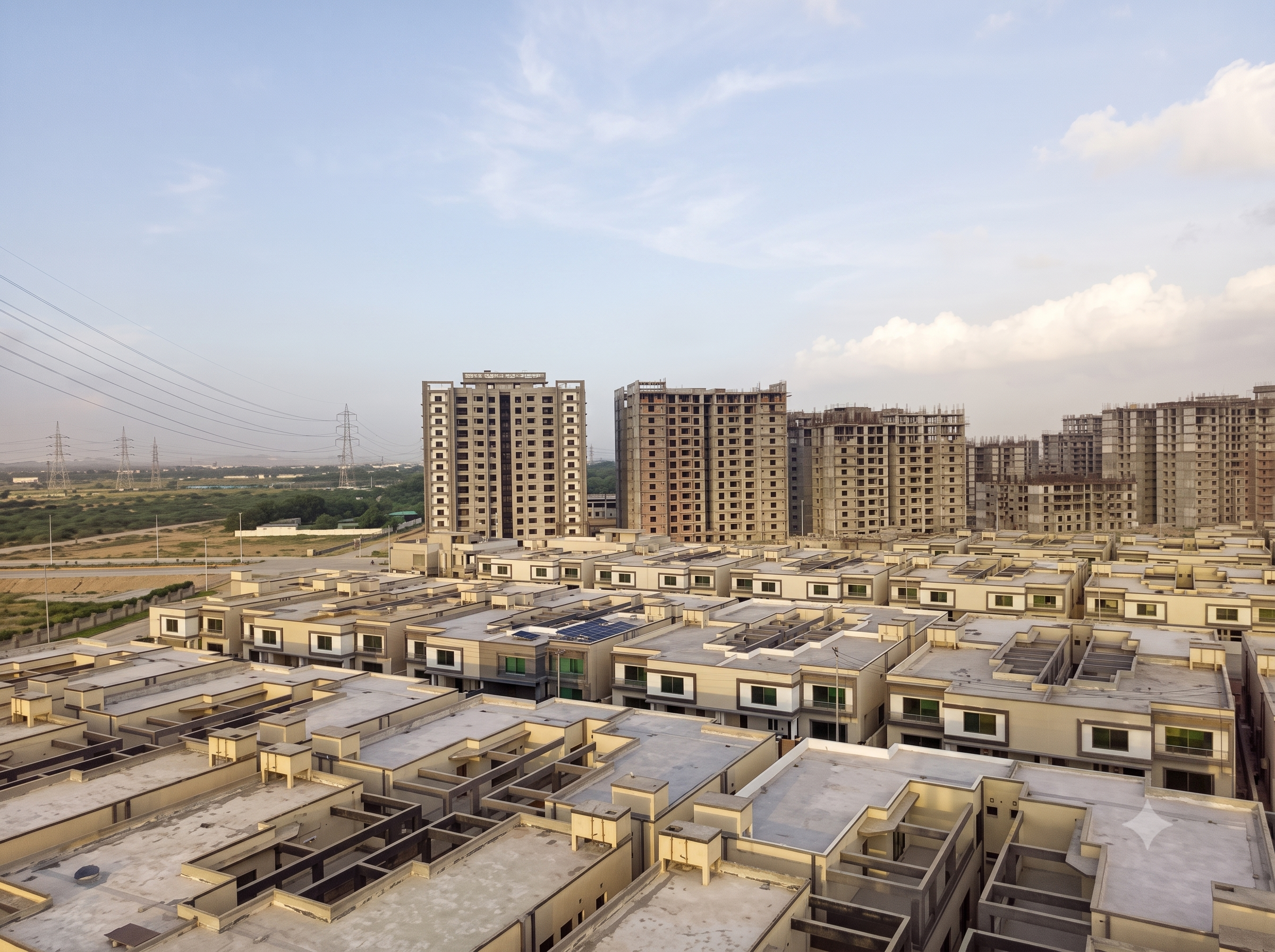
The GH2 Agri-Based Manufacturing Complex is an integrated green industrial development located in Gharo, Sindh, designed around circular-economy principles and sustainable resource utilization. The facility combines rice milling, specialty food ingredient manufacturing, biomass-based cogeneration, sodium silicate production, water recycling, and Zero Liquid Discharge (ZLD) technologies into a single industrial ecosystem. The project converts locally sourced agricultural feedstock into high-value products including sorbitol, dextrose, rice protein, and sodium silicate, while utilizing rice husk and bagasse to generate captive steam and power. By maximizing resource recovery and minimizing waste, the facility significantly reduces environmental impact and supports low-carbon industrial manufacturing. OMS served as Lender’s Technical Advisor, undertaking comprehensive technical due diligence and project feasibility assessment for the financing institutions. The assignment covered independent engineering review of project feasibility, technology selection, process design, EPC strategy, project execution, environmental compliance, technical risk assessment, and financial model validation to support project financing and investment decisions.Project Specifications
- Project Location: Gharo, District Thatta, Sindh, Pakistan, strategically located near Port Qasim with direct access to major national highway networks.
- Project Type: Integrated Agri-based manufacturing complex incorporating food processing, specialty chemicals, biomass energy, and sustainable industrial utilities.
- Processing Facilities: 360 TPD Rice Milling Plant, 75 TPD Sorbitol & Allied Products Facility, and 20 TPD Sodium Silicate Plant.
- Product Portfolio: Production of export-quality rice, sorbitol, dextrose monohydrate, dextrose anhydrous, rice protein, stabilized rice bran, and sodium silicate from agricultural feedstock.
- Biomass Cogeneration: 2.7 MW captive biomass-fired cogeneration plant utilizing rice husk and bagasse to supply process steam and partial electrical demand.
- Sustainability Features: Zero Liquid Discharge (ZLD), biomass energy recovery, effluent recycling, rice husk ash utilization, and integrated circular manufacturing processes designed to achieve net-negative operational carbon emissions.
- Project Delivery: Split EPC execution strategy with multiple specialized contractors coordinated under an integrated engineering and construction framework.
- Technical Advisory: Independent Lender’s Engineering, Technical Due Diligence, and Bankability Assessment supporting project financing by commercial lenders.
OMS Scope of Services
-
Lender’s Engineering & Technical Due Diligence
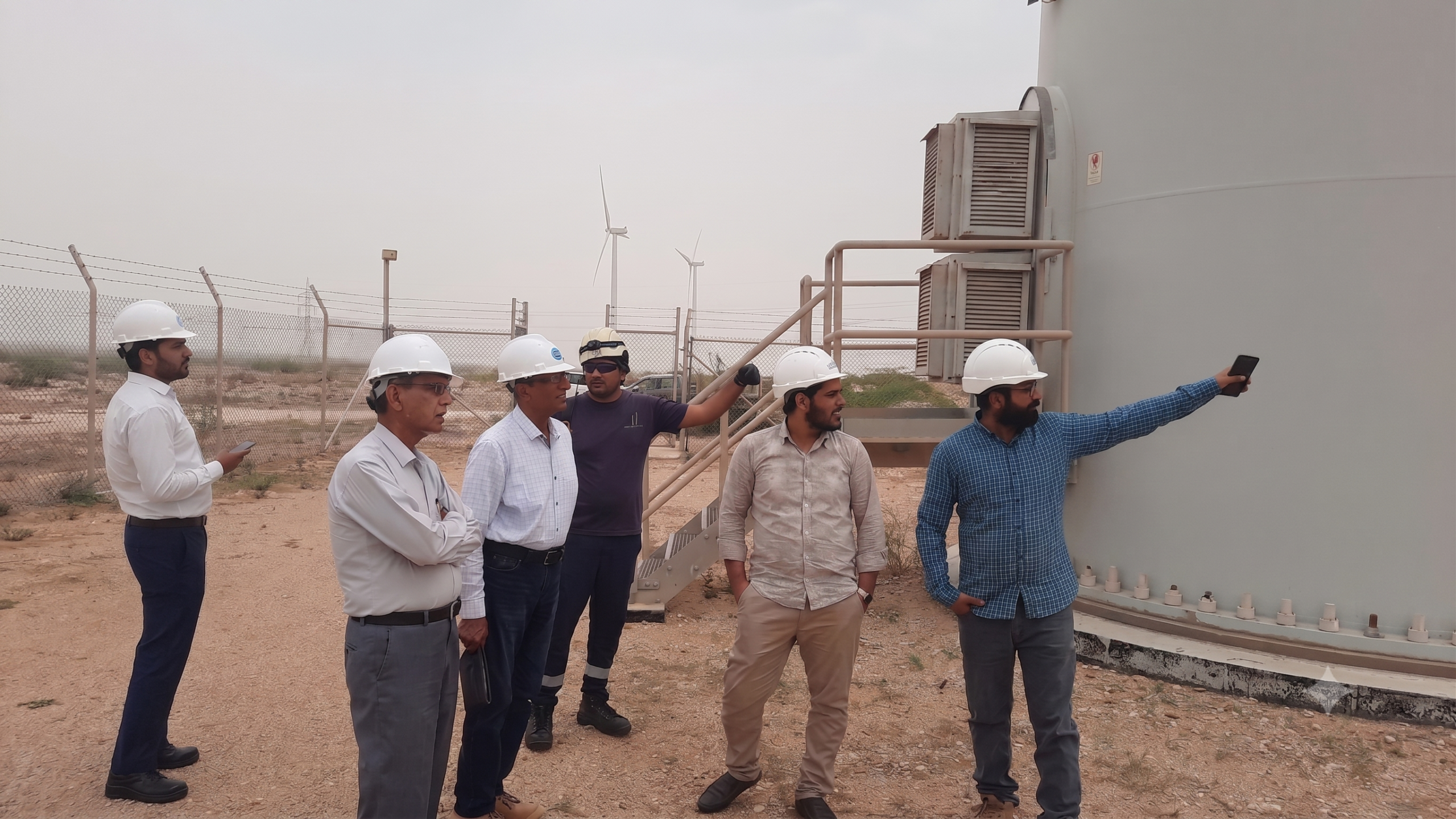
- Acted as Independent Lender’s Technical Advisor, performing comprehensive technical due diligence and project feasibility assessment for commercial lenders during project financing.
- Evaluated overall project bankability through independent review of technical feasibility, technology selection, project configuration, implementation strategy, and long-term operational viability.
- Assessed engineering assumptions, project risks, execution methodology, and overall project readiness to support financing decisions.
-
Engineering, Process & Technology Review
- Reviewed the technical design basis for the integrated manufacturing complex, including rice milling, sorbitol and allied products processing, biomass cogeneration, sodium silicate production, utilities, and supporting infrastructure.
- Evaluated process technologies, plant capacities, equipment selection, utility systems, process integration, and resource utilization to verify technical adequacy and operational performance.
- Assessed process layouts, water and energy balances, feedstock utilization, environmental systems, and circular-economy integration to ensure efficient and sustainable plant operation.
-
Project Feasibility & Risk Assessment
- Conducted comprehensive technical feasibility studies covering feedstock availability, process performance, production capacities, utility requirements, construction methodology, and long-term operational sustainability.
- Reviewed EPC contracting strategy, implementation schedules, project interfaces, procurement arrangements, construction sequencing, and technical risks associated with the split-EPC execution model.
- Performed structured technical risk assessments and developed engineering recommendations to enhance project reliability, constructability, and financing confidence.
-
Commercial, Environmental & Financial Evaluation
- Reviewed capital cost estimates, project schedules, operating assumptions, utility consumption, maintenance philosophy, production capacities, and technical inputs supporting the financial model.
- Evaluated environmental compliance, Zero Liquid Discharge systems, biomass utilization, water treatment, effluent recycling, firefighting philosophy, and health, safety, and environmental management plans.
- Provided independent technical opinions on project viability, environmental sustainability, operational readiness, and engineering risks to support lender appraisal and financial close.
Our Capabilities
Very few industries in modern society face the number of challenges seen in the agriculture sector. Many external forces wreak havoc on the farm business, and all are completely out of the business owner’s control.
Scope of Work
Our team delivered a full-cycle industrial solution, including:
Plant Design & Engineering
Comprehensive layout planning and structural design tailored for high-volume steel production.
Equipment Integration
Installation and configuration of advanced machinery, automated systems.
Process Optimization
Implementation of smart workflows to improve efficiency and reduce downtime.
Quality Control Systems
Deployment of monitoring technologies to maintain consistent product standards.
Key Features
Very few industries in modern society face the number of challenges seen in the agriculture sector. Many external forces wreak havoc on the farm business, and all are completely out of the business owner’s control. Weather, drought, pests, and disease constantly hammer agriculture. They augment the standard risks any business faces and put significant pressure on historically thin profit margins. Add to this the current stagnation in the available workforce, which was significantly amplified by the COVID-19 pandemic, and you have a menu of challenges that seem almost impossible.
Results & Impact
The project successfully delivered a high-performance steel manufacturing facility that significantly improved production efficiency and output quality. The integration of advanced technologies enabled seamless operations, reduced downtime, and enhanced overall productivity.
Project Information
Completely synergize resource taxing relationships via premier.
Client Name
GH2 Industries (Pvt.) Ltd.
Category
Biomass
Implementation Period
Ongoing
Capacity
N/A
Location
Gharo, Sindh, Pakistan